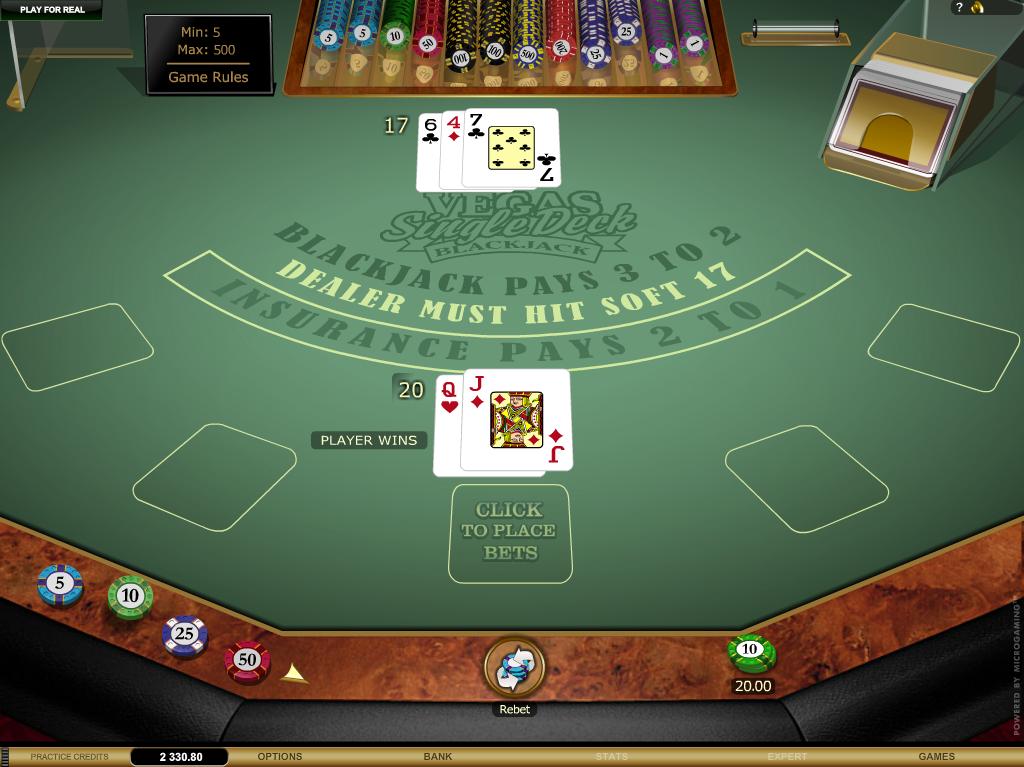

I remember the very first time I opened a online poker table. The interface appeared sleek, the stakes were transparent, and I was clueless about what distinguished a winning hand from a weak one. If you’re exploring the gaming lobby at Bankonbet Casino from a residence in Manchester or a house in the Cotswolds, you’ve likely noticed that “poker” isn’t just one game. It’s an umbrella term including many experiences, each with its own pace, approach, and edge. Casino poker style games lie between standard poker and games of pure chance. Comprehending this blended genre is the fastest way to shift from confusion to confidence. I’ll walk you through the workings, types, and actionable steps before you make your first real-money bet.
What Specifically Defines a Casino Poker Style Game
First, understand this: you aren’t sitting across from bluffing opponents when you open a casino poker game online. Instead, you’re playing directly against the house, or against a paytable that pays out for specific hand strengths. That structural difference alters everything about how you handle the session. In traditional Texas Hold’em, you can win with a terrible hand if you outwit your opponents. In a casino poker variant, the machine doesn’t care your bluff; it only assesses the mathematical value of your cards. That makes the experience more stable and, for many UK players, more stress-free. You do not require a stoic poker face or patience for an impatient rival.
The paytable serves as your new best friend. Every casino poker game, like Caribbean Stud, Three Card Poker, or Casino Hold’em, presents a fixed scale of payouts for hands varying from a simple pair to a royal flush. I always advise checking this table before wagering chips, because not all royal flush payouts are identical. Some games limit the progressive jackpot, while others provide a flat 100:1 on a straight flush. The house edge in these games typically falls between 2% and 5%, depending on how https://en.wikipedia.org/wiki/Dead_or_Alive_(video_game) aggressively you play the optional side bets. Recognizing you’re operating inside a closed mathematical system, rather than a dynamic psychological battlefield, is the first conceptual leap every beginner has to make.
Understanding Hand Rankings Devoid of the Tension
If you’ve never memorised the hierarchy of poker hands, casino poker games give a low-risk atmosphere to learn. Because you’re playing against a paytable instead of a table of sharks, the software highlights winning combinations and determines payouts automatically. However, relying entirely on the software means you miss chances to make strategic decisions about raising or folding. I recommend having a simple hand-ranking chart open on your phone for the initial sessions. The foundational sequence stretches from high card at the bottom, through one pair, two pair, three of a kind, a straight, a flush, a full house, four of a kind, a straight flush, and finally the royal flush at the top.
The subtlety that trips up most newcomers is the difference between a straight and a flush in probability. A flush is harder to achieve than a straight, that is why it ranks higher, yet many beginners believe consecutive numbers are rarer than matching suits. In a standard 52-card deck, there are 10,200 ways to make a straight and only 5,108 ways to make a flush. Understanding this logic assists you make better decisions when the game asks you to raise or fold. You’ll also encounter games where the dealer needs a “qualifying” hand to play. If the dealer doesn’t qualify, you still win on your ante bet but typically get a push on the raise. Knowing these conditional rules avoids the sinking feeling of thinking you’ve lost when you’ve actually broken even.
Payments, Mobile Gaming, and Verification for UK Players
Depositing and withdrawing funds is the essential foundation of any session, and deciding on a payment method beforehand avoids problems. Most UK-facing platforms accept debit cards from major British banks, which are the simplest deposit method. Visa and Mastercard deposits typically go through instantly and seldom get rejected when you use a personal current account. E-wallets like PayPal, Skrill, and Neteller offer extra privacy and frequently faster withdrawals. I’ve seen e-wallet withdrawals completed within 24 hours, whereas a bank transfer may require three to five business days to arrive at a UK account. Before you deposit, complete the Know Your Customer verification process. Submit a clear passport or driving licence and a recent utility bill or bank statement displaying your address. Doing this before requesting a withdrawal eliminates the waiting period where funds remain pending during document review.
I engage in most of my casual poker gaming on a smartphone, and modern casino poker games work well in a mobile browser. They utilize HTML5 technology, so no dedicated app is necessary, and the interface adapts to fit smaller screens. I’ve tried these games on iOS and Android with similar performance as long as the 4G, 5G, or Wi-Fi signal is reliable. Always confirm the raise and fold buttons before tapping, because a mis-tap on a small screen can lose you a hand. Desktop play offers a wider felt and extra statistics, while live dealer poker streams use up more data and battery. If you’re on a pay-as-you-go plan, stick to standard RNG tables to avoid surprise data use.
Typical Beginner Mistakes and Ways to Avoid Them
I’ve seen and witnessed a foreseeable set of errors that trouble newcomers to casino poker. The most damaging mistake is entering every hand. In games like Caribbean Stud, the strategically correct strategy is to fold about half of hands, specifically anything weaker than ace-king-jack. Calling with a low pair because you think you’re lucky bleeds your bankroll steadily. Other common errors are equally avoidable:
- Misinterpreting dealer qualification: when the dealer doesn’t qualify, your raise bet is a push, and you only win on the ante.
- Pursuing side bet payouts: a 40:1 straight flush payout is enticing, but the probability in Three Card Poker is about 0.22%.
- Doubling after losses: the Martingale impulse fails quickly because table limits cap recovery bets, and the house edge never changes.
- Neglecting paytable differences between otherwise similar tables, which can subtly lower your returns on flushes or full houses.
The dealer qualification rule causes specific confusion. When the dealer doesn’t qualify, your raise bet is returned as a push, and you win only on the ante. I’ve seen players cheer a winning hand only to realise their net profit was a fraction of what they expected. Side bet odds also warrant respect. Finally, always stop to read the specific paytable numbers before wagering chips. Two Caribbean Stud tables sitting side by side might pay different amounts on a flush or full house, and that silent difference is a bankroll killer.
The Most Popular Variants You Will Meet
When you browse the table games section, the variety can feel daunting. I find it helpful to break the lobby into three major families, each testing a different mental skillset:
- Stud-based games: Caribbean Stud provides you five cards; you fold or raise after seeing one dealer card, and the dealer must qualify ace-king or better.
- Community-card games: Casino Hold’em mirrors televised Texas Hold’em, with two hole cards and five shared community cards against the dealer.
- Three-card variants: Three Card Poker moves fast, offering you three cards and a binary play or fold choice against the dealer’s hand.
The three-card family has exploded in popularity across British online casinos. In Three Card Poker you get three cards and must decide quickly whether to play or fold. Hand rankings differ here because flushes occur more commonly than straights with only three cards in play. A straight therefore outranks a flush, which is the exact contrary of standard five-card poker. I’ve observed countless players misread their hand strength because they applied five-card logic to a three-card game. Beyond these core families, you may also find Pai Gow Poker, where you divide seven cards into a five-card high hand and a two-card low hand, or video poker machines that mix slot mechanics with draw poker strategy.
Creating a Responsible Strategy to Casino Poker
Viewing casino poker as purchased entertainment instead of a money-making venture alters how you approach every session. I determine a hard budget before starting the game and acknowledge that the entire amount could be lost. This isn’t pessimism; it’s the mathematical reality of playing against a house edge. Once the budget is set, I select a table with a minimum bet that allows at least 50 to 100 hands. If my budget is £50, I seek a £1 ante table as opposed to a £5 one. This extends the session and gives more chances to hit the bonus hands that render casino poker truly thrilling.
I also maintain a simple log of my sessions, noting the game variant, number of hands played, and net result. This removes the emotional fog of “I always lose” or “I always win” and substitutes it with concrete data. Over time, you’ll realize which variants match your risk tolerance. You may uncover that you like the slower, more strategic pace of Casino Hold’em over the rapid decisions of Three Card Poker. The online environment enables you change instantly without waiting for a seat. The key is to keep curious, disciplined, and honest about why you’re playing. The moment poker ceases being fun and commences appearing like a desperate chase, back off and utilize those responsible gaming tools.
In what manner the Reward and Extra Bet Functionality Really Work
Virtually every casino poker table features a appealing side bet, often labelled “Bonus,” “Jackpot,” or “Pairs Plus.” I approach these with curiosity and prudence. The side bet operates autonomously from your main ante and raise wagers. You’re essentially betting that your hand will contain a specific minimum strength, irrespective of whether you beat the dealer. For example, a common pairs plus bet in Three Card Poker payouts if you land a pair or better, with escalating prizes for a straight flush or three of a kind. Paytables for side bets vary substantially between software providers, so I always read the game rules before setting chips on that blinking circle.
The essential thing is that side bets have a substantially higher house edge than the main game. While the base game of Casino Hold’em might operate around 2.16% with optimal strategy, the bonus bet can readily surpass 6% or 7%. That is not to say you should never play them; it indicates you should budget for them as a individual entertainment expense. The progressive jackpot side bet is particularly tempting because the displayed prize pool often ascends into five or six figures. To win that progressive, you typically need a royal flush or another ultra-rare hand. I treat the progressive contribution as a small lottery ticket connected to my poker session. The moment I see it as dependable income, I’ve lost the plot.
Regulation, Fairness, and Responsible Gaming Tools
Each time I settle at a virtual poker table, the first thing I look at isn’t the cards but the oversight system securing my funds. A proper UK-facing platform must have a licence from the Gambling Commission, which upholds standards around fund segregation, game fairness, and advertising. This implies deposits are held separately from operating funds, and the random number generators running poker games undergo regular third-party audits. You can generally find the licence number and auditor logos at the bottom of the homepage. Navigating to the auditor’s certificate verifies that the games haven’t been tampered with and that declared return-to-player percentages are correct.
Likewise vital are the responsible gaming controls in your account settings. I set a deposit limit before my first session, despite I am in control. The UK Gambling Commission demands operators to provide deposit limits, loss limits, session time reminders, and self-exclusion options. Reality check pop-ups appear after a set period and require you to admit how long you’ve been active; they’re genuinely useful. If poker ever drifts beyond entertainment, self-exclusion can restrict account access for six months to five years. These tools aren’t barriers to enjoyment. They’re guardrails that keep the experience viable.
FAQ
Is casino poker identical to playing poker against other people?
No, casino poker sets you immediately against the house or a fixed paytable instead of against other players. There’s no bluffing, no reading opponents, and no psychological warfare. Your hand either beats the dealer’s qualifying hand or hits a payout threshold. This creates the experience more straightforward and less daunting for beginners who might feel overwhelmed at a live player-versus-player table.
Which is the easiest casino poker game for a complete beginner to learn?
Three Card Poker is widely considered as the most user-friendly entry point. You receive only three cards, the decision to play or fold is straightforward, and the hand rankings are simpler to remember. The pace is quick, and you don’t need to monitor community cards or complex dealer qualification rules beyond the basic dealer hand requirement. Many UK players start here before progressing to more complex variants.
Why is it that a straight beat a flush in some poker games but not others?
This inversion occurs in three-card games because the mathematical probabilities change with fewer cards. In a three-card hand, there are more ways to create a flush than a straight, making the straight less common and therefore more high-ranking. In standard five-card and seven-card poker, flushes are less frequent than straights, so the traditional ranking applies. Always consult the game-specific paytable to avoid uncertainty.
Is it always necessary to place the side bet when engaging in casino poker?
It depends https://bankonbets.eu/. Side bets have a considerably higher house edge than the main game, frequently exceeding 5% or 6%. They act as an independent wager on your hand’s strength regardless of the dealer’s outcome. If you enjoy the added excitement and set money aside for it separately, they can be entertaining. However, avoiding side bets entirely is a completely valid strategy for protecting your bankroll over longer sessions.
How long do withdrawals normally take for UK players?
Withdrawal times depend on your chosen payment method. E-wallets like PayPal, Skrill, and Neteller often complete in 24 hours once your account is verified. Debit card withdrawals to UK banks typically take between one and three business days. Bank transfers can take up to five business days. Completing identity verification before requesting a withdrawal significantly speeds up the overall process.
Is it possible to play casino poker games on my mobile phone?
Absolutely. Modern casino poker games use HTML5 technology, which runs seamlessly in mobile browsers on both iOS and Android devices without requiring a dedicated app. The interface adapts to smaller screens, rearranging buttons and chip stacks for comfortable thumb use. A stable 4G, 5G, or Wi-Fi connection is all you want to enjoy a full session on the go anywhere in the UK.
What is meant by “dealer does not qualify” mean and how does it affect my payout?
In games like Caribbean Stud and Casino Hold’em Poker, the dealer must hold a required hand—typically ace-king or better—to “qualify.” If the dealer doesn’t qualify, you win 1:1 on your ante bet, but your raise bet is returned as a push with no profit. This rule prevents the house from simply discarding weak hands and protects the player, though it can decrease your expected payout on powerful hands.